


What Are Macros?
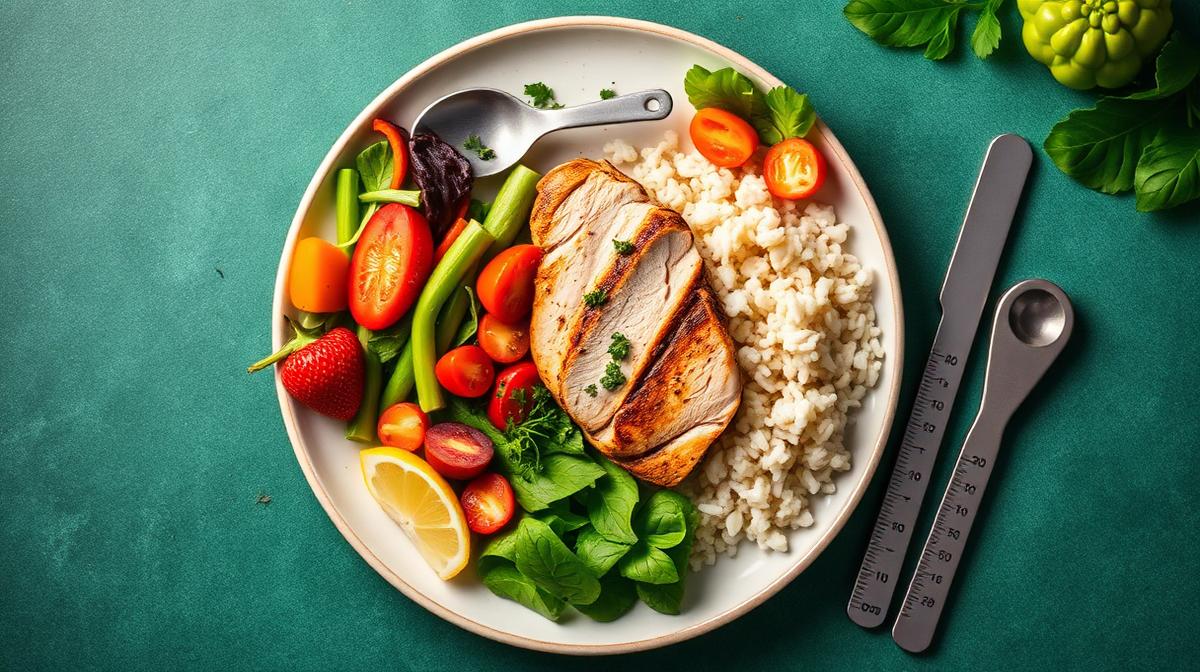
Macronutrients - protein, carbohydrates, and fat - are the three categories of nutrients that provide calories. Every food you eat is composed of some combination of these three. Understanding and setting macro targets helps you eat the right composition of food for your specific goal, whether that is losing fat, building muscle, or maintaining your current physique.
- Protein: 4 calories per gram. Builds and repairs muscle tissue, produces enzymes and hormones, and supports immune function.
- Carbohydrates: 4 calories per gram. Your body's preferred fuel source for high-intensity activity and brain function.
- Fat: 9 calories per gram. Essential for hormone production, vitamin absorption, and cell membrane integrity.
The key insight: two people eating the same number of calories but with different macro splits will get very different body composition results. A 2,000-calorie diet high in protein preserves far more muscle during weight loss than a 2,000-calorie diet low in protein.
Step 1: Find Your TDEE
Before you can calculate macros, you need a total calorie target. Use a TDEE calculator to find your maintenance calories, then adjust based on your goal:
- Fat loss: Subtract 300-500 calories from TDEE
- Muscle gain: Add 200-300 calories to TDEE
- Maintenance: Eat at TDEE
Step 2: Set Protein First
Protein is the most important macro to set correctly. It drives muscle preservation during fat loss, supports muscle building during a surplus, and has the highest satiety effect of all macronutrients (keeping you fuller for longer).
The research-backed ranges from the International Society of Sports Nutrition (ISSN) position stand:
- General health: 0.36g per pound (0.8g/kg)
- Active individuals: 0.54-0.9g per pound (1.2-2.0g/kg)
- Fat loss (preserving muscle): 0.7-1.0g per pound (1.6-2.2g/kg)
- Muscle gain: 0.7-1.0g per pound (1.6-2.2g/kg)
During a calorie deficit, aim for the higher end (1.0g/lb) to maximize muscle retention. The Morton et al. (2018) meta-analysis in the British Journal of Sports Medicine confirmed that higher protein intakes during energy restriction significantly reduce lean mass loss.
Step 3: Set Fat
Dietary fat is essential for hormone production (including testosterone and estrogen), absorption of fat-soluble vitamins (A, D, E, K), and brain function. Going too low has serious consequences.
Set fat at 20-35% of total calories. Research shows that fat intake below 15-20% of calories can suppress testosterone in men and disrupt menstrual cycles in women. A common mistake in aggressive dieting.
To calculate: (Total calories x 0.25) / 9 = grams of fat per day
Step 4: Fill Remainder with Carbs
After protein and fat are set, fill all remaining calories with carbohydrates. Carbs fuel high-intensity exercise, replenish muscle glycogen, and support cognitive function.
To calculate: (Total calories - protein calories - fat calories) / 4 = grams of carbs per day
Worked Examples by Goal
Fat Loss - 180 lb male, TDEE 2,700, target 2,200 cal:
- Protein: 180g (720 cal) - 1.0g per lb bodyweight
- Fat: 61g (549 cal) - 25% of calories
- Carbs: 233g (931 cal) - remainder
Muscle Gain - 150 lb female, TDEE 1,900, target 2,150 cal:
- Protein: 120g (480 cal) - 0.8g per lb bodyweight
- Fat: 60g (540 cal) - 25% of calories
- Carbs: 283g (1,130 cal) - remainder
Maintenance - 170 lb male, TDEE 2,500:
- Protein: 136g (544 cal) - 0.8g per lb bodyweight
- Fat: 69g (625 cal) - 25% of calories
- Carbs: 333g (1,331 cal) - remainder
Macro Splits by Goal (Quick Reference)
| Goal | Protein | Carbs | Fat |
|---|---|---|---|
| Fat Loss | 35-40% | 30-35% | 25-30% |
| Muscle Gain | 25-30% | 40-50% | 20-25% |
| Maintenance | 25-30% | 40-50% | 25-30% |
| Endurance Athlete | 20-25% | 50-60% | 20-25% |
Do You Need to Count Macros?
Tracking macros is highly effective, but not required for everyone. Research shows that people who track food intake lose significantly more weight and maintain it longer than those who do not. However, tracking everything indefinitely is neither practical nor necessary for most people.
Our recommendation: track macros for 4-8 weeks to calibrate your intuition about portion sizes and food composition. After that, shift to a flexible approach where you track only protein and rough total calories. Return to full macro tracking during dedicated cutting phases or when breaking through a plateau.
If tracking feels obsessive or triggers disordered eating patterns, stop immediately and consult a registered dietitian.
Calculate Your Macros Now
Use our free Macro Calculator to get precise gram targets based on your TDEE, bodyweight, and goal. No signup required.