
Step 1: Get a Food Scale
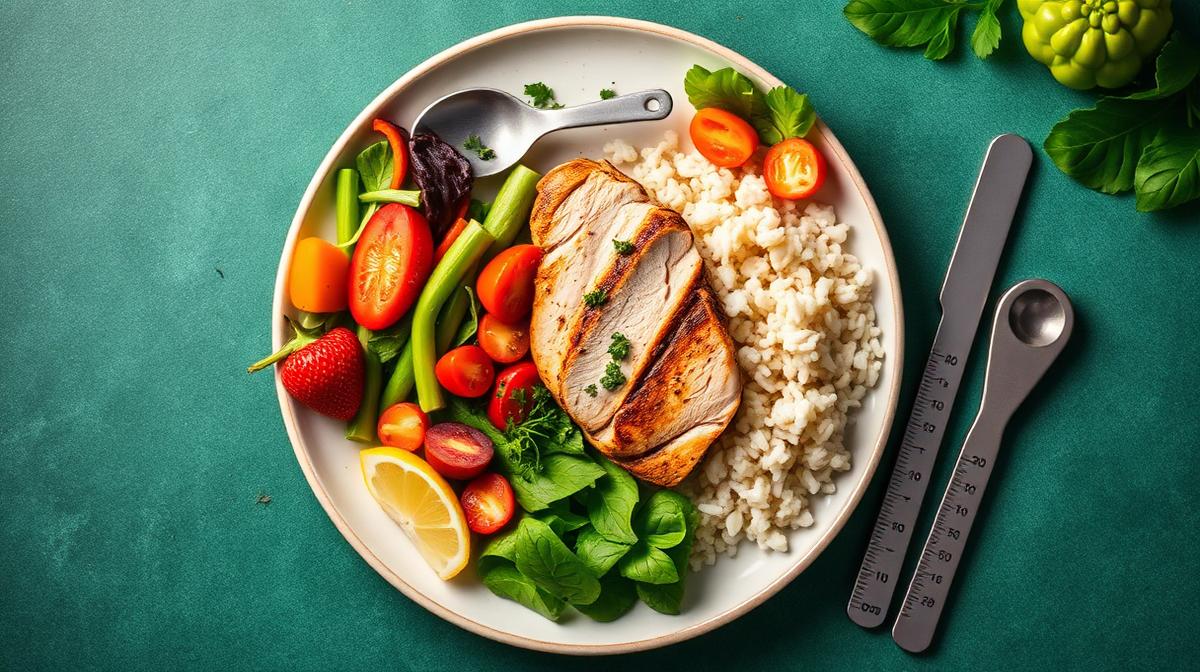
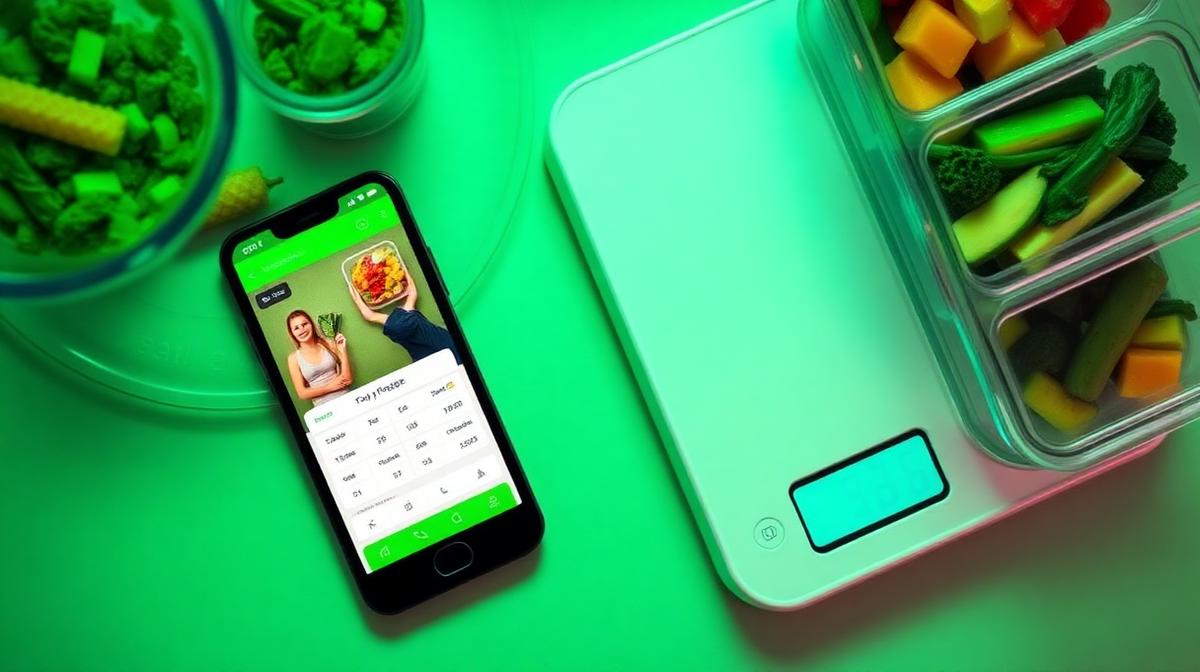
A kitchen food scale ($10-20) is the single most important tool for accurate macro tracking. Volume measurements (cups, tablespoons) are unreliable - a "cup of rice" can vary by 30-50% in actual weight depending on how tightly you pack it. Weigh everything in grams for consistency. After a few weeks, you will develop the ability to estimate portions by sight, but start with the scale.
Step 2: Choose a Tracking App
The three most popular macro tracking apps, compared honestly:
- MyFitnessPal: Largest food database (14M+ entries). Free version is functional. Downside: user-submitted entries can have errors, so verify against nutrition labels.
- Cronometer: Most accurate database (verified entries only). Best for micronutrient tracking. Downside: smaller database, less intuitive interface.
- MacroFactor: Best algorithm for adaptive calorie recommendations. Adjusts your targets based on your actual weight trend. Downside: paid only ($6/month).
Step 3: Build Your Baseline Week
Track everything you eat for one full week without changing your diet. This gives you a realistic picture of your current intake and reveals where your macros are actually landing. Most people are surprised to discover they eat significantly less protein and more fat than they thought.
Step 4: Meal Prep for Consistency
Meal prepping 3-4 meals in advance is the highest-impact habit for hitting macro targets consistently. Cook a large batch of protein (chicken, ground turkey, tofu), a complex carb source (rice, potatoes, pasta), and pre-cut vegetables on Sunday. Assemble into containers with pre-measured portions. This eliminates daily decision fatigue and makes tracking effortless.
When to Stop Tracking
Macro tracking is a tool, not a lifestyle. Track intensively for 4-8 weeks to calibrate your intuition, then shift to tracking only protein and rough total calories. Return to full tracking during specific phases (cutting, competition prep, plateau-breaking). If tracking becomes obsessive, causes anxiety around food, or leads to disordered eating patterns, stop immediately and consult a registered dietitian.
Get Your Targets
Before you start tracking, get your personalized macro targets from our free Macro Calculator.