


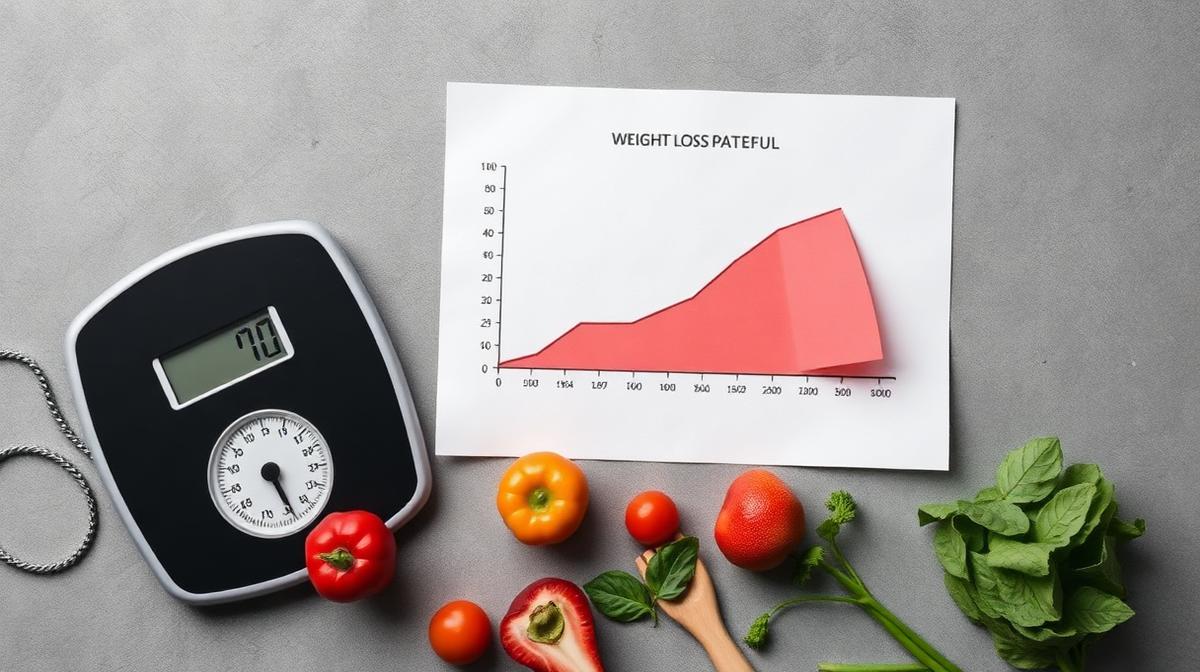
Why Weight Loss Plateaus Happen
Weight loss plateaus are almost always caused by metabolic adaptation. As you lose weight, your body burns fewer calories because: there is less mass to move and maintain (lower BMR), your NEAT decreases unconsciously (you move less without realizing it), hormonal changes increase hunger and reduce energy expenditure, and the thermic effect of food decreases (you are eating less, so less energy is spent digesting).
A person who started at 200 lbs with a TDEE of 2,800 kcal may now weigh 175 lbs with a TDEE of only 2,400 kcal. The 500-calorie deficit they started with may have shrunk to a 100-calorie deficit - too small to produce noticeable fat loss.
Strategy 1: Reduce Intake by 100-200 Calories
The simplest approach: recalculate your TDEE at your current weight using our TDEE Calculator and set a new 300-500 calorie deficit based on the updated number. Do not reduce by more than 200 calories at a time. If you are already eating below 1,400 calories (women) or 1,600 calories (men), do not reduce further - try strategy 2 or 3 instead.
Strategy 2: Increase Activity
Adding 2,000-3,000 extra steps per day (roughly 15-20 minutes of walking) can increase your daily calorie burn by 100-200 calories without requiring you to eat less. This is often more sustainable than further food restriction. Adding one additional resistance training session per week can also increase NEAT and post-exercise calorie burn.
Strategy 3: Take a Diet Break
The MATADOR study (Byrne et al., 2017) demonstrated that intermittent dieting with 2-week breaks at maintenance calories produced significantly more fat loss than continuous dieting over the same time period. A diet break involves returning to maintenance calories (your current TDEE, not your original TDEE) for 1-2 weeks. This helps restore leptin levels, reduce cortisol, recover NEAT, and improve psychological adherence.
A less extreme option is the refeed: one day per week at maintenance calories, focusing on additional carbohydrates. Refeeds can partially restore leptin and glycogen without the full commitment of a multi-week diet break.
What Not to Do
- Do not crash diet harder. Cutting calories drastically will increase muscle loss and worsen metabolic adaptation.
- Do not add hours of cardio. Excessive cardio increases cortisol, appetite, and further reduces NEAT.
- Do not panic. Plateaus are normal and expected. The scale can stall for 2-3 weeks due to water retention even when fat loss is occurring. Wait at least 3 weeks of consistent effort before making changes.
Recalculate and Restart
Use our free TDEE Calculator at your current weight, then set a new deficit with our Calorie Deficit Calculator. Your numbers have changed - update your plan accordingly.